
Best Neutral Running Shoes: A Complete Guide for Every Runner
Everything You Need to Know Before Your Next Shoe Purchase
Finding the best running shoes for your body is rarely as simple as grabbing the newest release off the wall. The right pair depends on your gait, your foot mechanics, your weekly mileage, the terrain you train on, and how the shoe feels once you run in it. Among the many options on the market, neutral running shoes remain one of the most popular categories, and for good reason. They are versatile, they work for a huge range of runners, and they are built to let your foot move the way it wants to move. This guide breaks down what neutral running shoes actually are, who they are built for, the benefits they offer, and how to choose the right pair for your training. We will also count down five of the best neutral running shoes for men and women right now, based on aggregated customer reviews from Amazon and Road Runner Sports.

A High Level Look at the Main Types of Running Shoes
Before you can decide whether neutral running shoes for men or women are the right call, it helps to understand where they fit in the bigger picture. Running shoes are generally grouped into a handful of categories, and each one solves a different problem.
Neutral running shoes are built for runners with a relatively neutral gait or mild pronation. They emphasize natural movement, comfortable cushioning, and versatility, which is why they are often recommended as the best running shoes for everyday training. Stability running shoes add guidance features for runners whose feet roll inward more than average, helping control that excess motion. Maximum cushion shoes prioritize comfort and impact absorption, ideal for long runs and recovery days. Motion control shoes offer the most structure and support, built for runners who need substantial correction. Lightweight and tempo shoes trim weight and add responsiveness for workouts, intervals, and race day. Trail shoes add traction, protection, and stability for dirt, gravel, mud, and uneven terrain.
One important shift in modern running shoe thinking is that pronation alone should not determine your shoe. Some pronation is completely normal. Comfort, running mechanics, injury history, and how a shoe actually feels while you run all matter just as much, if not more.
Who Is a Candidate for Neutral Running Shoes?
A neutral running shoe is designed to let the foot move relatively naturally, without adding heavy corrective support to the inside of the shoe. Unlike traditional stability shoes, neutral shoes generally skip aggressive medial posts or other features built specifically to reduce pronation. That does not mean neutral shoes offer no stability at all. Many modern neutral shoes have wide platforms, sculpted midsoles, and supportive heel counters that make them surprisingly steady without being classified as stability shoes.
You could be a strong candidate for neutral running shoes if your feet and ankles do not excessively collapse inward while you run, if you have a relatively neutral gait, or if you have mild pronation that has never caused you problems. If you have previously run comfortably in neutral shoes, do not feel like you need significant corrective support, or simply prefer a shoe that lets your foot move naturally, neutral shoes are worth a serious look. Neutral shoes are also commonly recommended for runners with higher arches, although arch height alone is never enough to determine shoe type on its own.
A neutral shoe can absolutely still deliver a tremendous amount of cushioning. Brands such as Brooks, ASICS, HOKA, New Balance, Saucony, and Nike all make highly cushioned neutral shoes. Think of neutral versus stability as describing the amount of guidance a shoe provides, while cushioning describes how much protective material sits underneath your foot. That means you can find neutral shoes with a light and fast feel, neutral shoes with moderate cushioning, and neutral shoes with maximum cushioning for long distance comfort.
Watch: How to Choose the Right Neutral Running Shoe
What Are the Benefits of Neutral Running Shoes for the Right Person?
For the right runner, neutral running shoes offer several genuine advantages. Natural foot movement is the biggest one. Neutral shoes generally interfere less with your running mechanics, which can make every stride feel smoother and less restrictive if you do not need guidance. Because they skip some of the structural components found in stability and motion control shoes, neutral shoes are also often lighter, which matters over long runs and race day.
Neutral is also one of the largest categories in the running shoe world, meaning there is an enormous selection to choose from, whether you are running easy daily miles or training for a marathon. You are not locked into a single type of ride either. Comfortable running shoes in the neutral category can be soft and plush, firm and responsive, or somewhere comfortably in between, depending on what your training calls for. Finally, a good neutral daily trainer is remarkably versatile. It can handle easy runs, treadmill sessions, walking, long runs, and general training, all in one shoe, which is exactly why so many runners searching for the best running shoes for everyday training land on a neutral pair.
What Parts of Your Body Could Be Hurting Because of the Wrong Shoe?
Wearing the wrong shoe type will not automatically cause an injury, but a shoe that is uncomfortable, unstable, or poorly matched to how you run can absolutely contribute to nagging pain. Runners in the wrong shoe often notice discomfort creeping into a few common areas.
Knee pain is one of the most frequent complaints, since your knees absorb a huge share of the impact from every stride, and a poorly matched shoe can send extra stress up the chain. Shin splints, that dull ache along the front of the lower leg, often show up when a shoe does not provide the right level of cushioning or support for your particular stride. Heel and arch pain, including plantar fasciitis, can develop when a shoe lacks adequate structure underneath the foot. Hip and lower back discomfort are also common, especially when a shoe forces an unnatural gait pattern over hundreds of repetitive strides per mile. Achilles tendon irritation can flare up when a shoe’s heel to toe drop changes too abruptly.
The goal is never to force your foot into a specific movement pattern with an aggressive shoe. Instead, aim for a shoe that feels genuinely natural and comfortable, which is one more reason neutral running shoes work so well for such a wide range of runners.
What to Look for in a Good Neutral Running Shoe
Once you have established that you are comfortable in neutral shoes, break the decision into four areas: cushioning, heel to toe drop, fit, and purpose.
Cushioning level comes down to feel. Low to moderate cushioning tends to feel lighter and more connected to the ground, while high or maximum cushioning emphasizes comfort and impact absorption, especially for long distances. Heel to toe drop matters more than most runners realize. Higher drop shoes position the heel higher relative to the forefoot, while lower drop shoes create a flatter platform. Neither option is universally better, but changing drop height suddenly can alter loading on your calves, Achilles, and other connective tissue. Fit is non negotiable. You generally want enough room for your toes to spread and for your foot to swell slightly during a run, while the heel and midfoot stay secure and locked in. Finally, think about purpose. A daily trainer does not need to double as your speed work or race day shoe. A runner logging twenty easy miles per week has very different needs than someone training for a marathon.
The best running shoe is not necessarily the one with the most cushioning or the most support. It is the shoe that delivers the right combination of comfort, fit, cushioning, and stability for how you actually run. For neutral running shoes specifically, remember they are not shoes with no support. They are shoes built without heavy corrective features, allowing runners who do not need that correction to move comfortably and naturally, mile after mile.
Top 5 Neutral Running Shoes for 2026
Based on customer reviews and current ratings from RunRepeat, Runner’s World, and Road Runner Sports, these five neutral running shoes stand out as the best options for 2026.
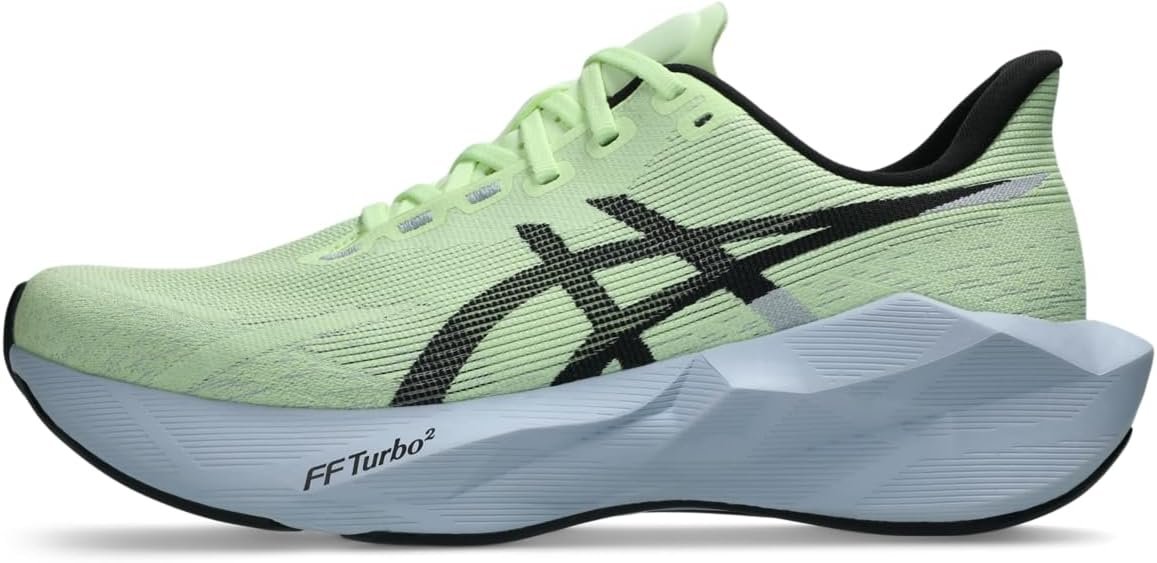
1. ASICS NovaBlast 6
The ASICS NovaBlast 6 tops our list for 2026. New FF TURBO SQUARED foam in the forefoot adds a livelier, more responsive ride without turning it into a racing shoe. RunRepeat rates it 93 out of 100.
Pros:
- The new forefoot foam adds noticeably more energy return and bounce.
- It offers a high stack, cushioned ride while staying lightweight.
- It is versatile enough for easy runs, long runs, and faster workouts.
Cons:
- Heel strikers may notice less benefit from the added responsiveness.
- The tall, springy platform can feel less stable than a traditional trainer.
- The padded heel can make the fit run slightly short.
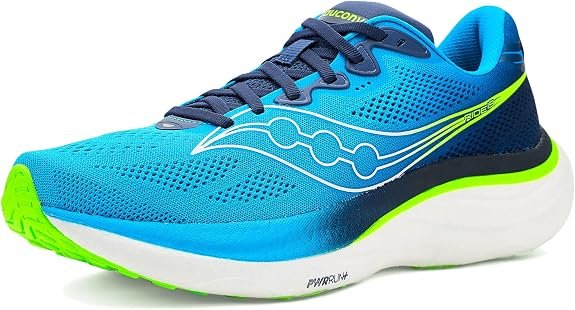
2. Saucony Ride 19
The Saucony Ride 19 is one of the strongest customer reviewed neutral trainers of 2026, with 94% of one Zappos review pool rated four or five stars. It suits runners who want balanced cushioning over an aggressive ride.
Pros:
- The cushioning protects the legs without feeling excessively squishy.
- Reviewers often mention how light the Ride feels for its cushioning.
- A secure heel lockdown pairs with room for natural toe splay.
Cons:
- Some reviewers say the fit runs slightly small or narrow.
- It lacks the explosive bounce of the NovaBlast 6.
- Not every longtime Ride 18 fan loves the updated fit and padding.
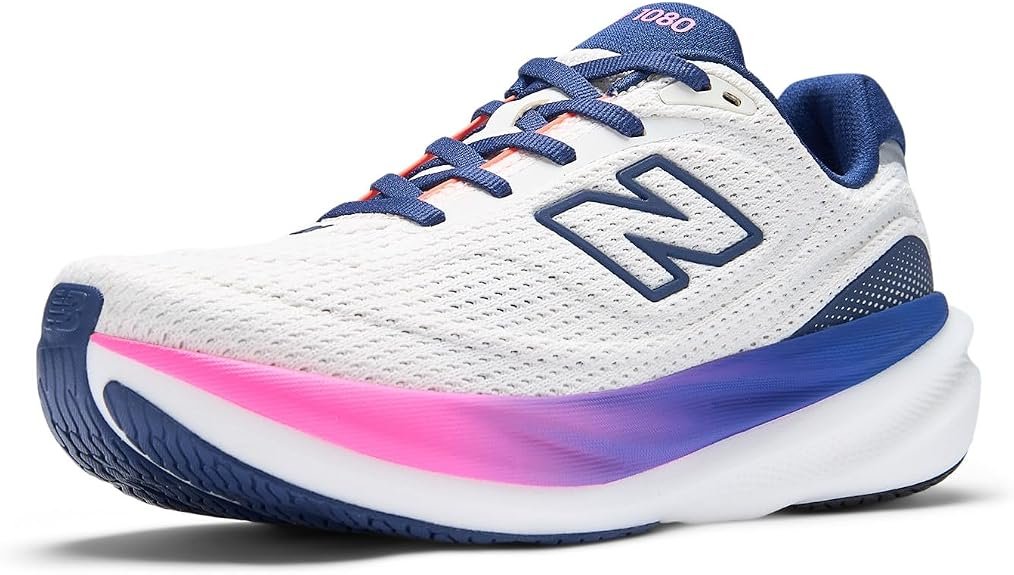
3. New Balance Fresh Foam X 1080v15
The New Balance Fresh Foam X 1080v15 gets one of the biggest updates on this list, replacing its midsole with new Infinion Foam for added energy return. A 323 review Zappos pool shows 94% rated four or five stars.
Pros:
- The cushioning is exceptionally soft and comfortable underfoot.
- A more rounded toe box pleases runners who found earlier versions too narrow.
- It delivers serious comfort without feeling as heavy as the cushioning suggests.
Cons:
- The very soft ride will not suit runners who prefer a firmer platform.
- It suits easy and long runs more than speed work.
- At roughly $170, it is one of the pricier trainers here.
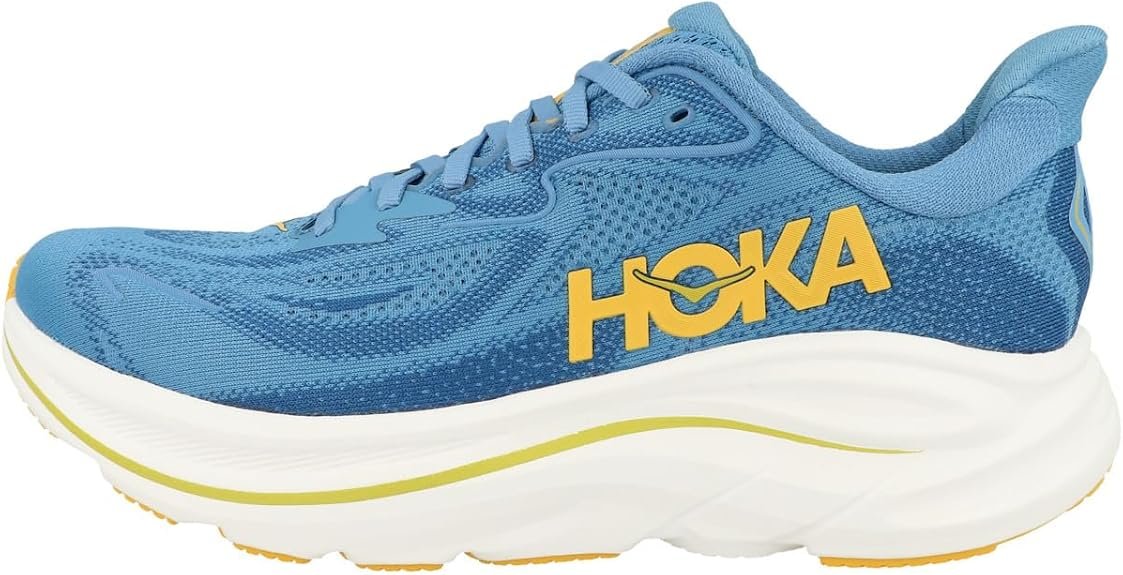
4. HOKA Clifton 10
The HOKA Clifton 10 carries an enormous customer review base, with one Zappos pool of 952 reviews showing 89% rated four or five stars. HOKA increased the drop to 8 millimeters while keeping the Clifton’s light, cushioned feel.
Pros:
- Comfort remains the Clifton’s biggest strength, with plenty of cushioning underfoot.
- The MetaRocker geometry makes heel to toe transitions feel smooth and natural.
- It doubles as a great all day walking shoe, not just a running shoe.
Cons:
- Some longtime users find it narrower or shorter than earlier versions.
- The soft platform can feel unstable to some runners.
- Independent testing flags wet road traction as a relative weakness.
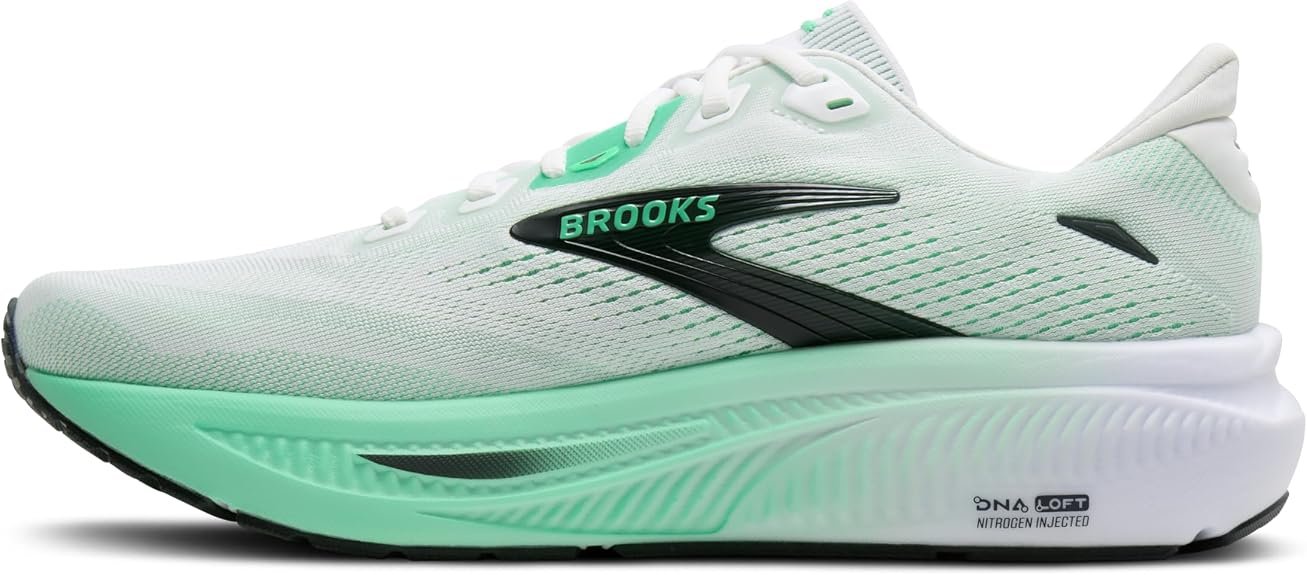
5. Brooks Ghost 18
The Brooks Ghost 18 is the newest version of one of the most established neutral trainers around, holding a 4.2 out of 5 rating across more than 200 reviews. It uses DNA LOFT v3 cushioning and a 10 millimeter drop, aiming for consistency over excitement.
Pros:
- Customers consistently praise the comfortable, reliable underfoot feel.
- It offers a secure, predictable platform without traditional stability components.
- It works equally well for running, walking, and long days on your feet.
Cons:
- At about 10.2 to 10.3 ounces, it is heavier than the NovaBlast 6.
- Runners wanting a highly energetic ride may find it fairly ordinary.
- Some longtime fans still prefer the Ghost 17’s feel and fit.
Final Thoughts
Choosing between the best running shoes for men, the best running shoes for women, or figuring out whether you need neutral versus stability running shoes ultimately comes down to one thing: how the shoe feels when you are actually moving in it. Do not rely solely on the old trick of studying wear patterns on your worn out shoes. Instead, consider your running history, try shoes side by side, pay close attention to comfort, and consider a professional gait assessment if you have recurring pain or simply cannot find a shoe that feels right.
If you are asking, what are neutral running shoes, or wondering, are neutral running shoes right for me, the answer usually comes down to comfort first. Prioritize comfort, then fit, then appropriate support, then cushioning, then intended use. Get those in the right order, and you will land on a shoe built to carry you through every training block ahead, whether that is easy recovery jogs, long distance weekend runs, or your next race.